
Introduction to Homeopathy
Introduction
I grew up taking homeopathic remedies as safe way of combating colds, allergies, and a variety of other ailments that mark childhood and adolescence. From taking Arnica for bruises, Cantharis for sunburn, or Kali-Mur for sore throats, it remains my go-to “medicine” whenever ailment strikes, and is frequently found around our house as we raise our own kids and navigate frequent stuffy noses and bumped heads.
This blog explores the origins of homeopathy, as a way to introduce this incredible healing remedy. I hope by the end, you are inspired to consider a few homeopathic remedies for your home as well.
Founding Story: Samuel Hahnemann
Homeopathy was developed over 200 years ago, and is now a largely practiced “alternative medicine” found around the world. Founded by Samual Hahnemann in the 1790’s, Homeopathy means “similar suffering (Homeo- “similar,” and -pathos “suffering”), and might easily be coined as an “energetic” medicine, designed to stimulate our bodies natural healing abilities without concern for side affects or toxicity.
To help introduce the idea, here is the classic example which is attributed as the founding story of Homeopathy and helps explains the concept:
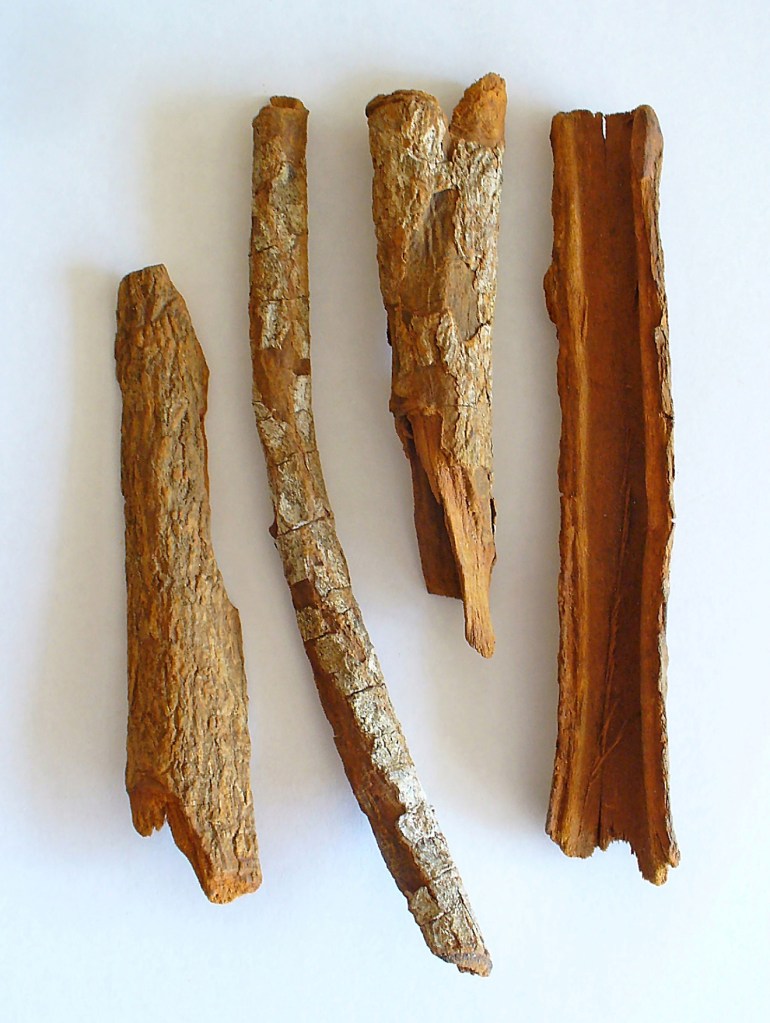
Samuel Hahnemann was working as a medical translator and physician, when he was given the task of translating Cullens’s Materia Medica (which included the most current medical therapies of the time). During his translation, he stumbled upon a very astringent bark called Peruvian Bark (otherwise known as “cinchona” or “china”), which was commonly used for the treatment of malaria. Hahnemann made a bold footnote, that he did not believe the astringent properties of the bark made it helpful for malaria, but instead thought there was something special about the bark itself.
As a test, Hahnemann experimented on himself, and started consuming Peruvian Bark consistently for a period of time, and amazingly started to develop symptoms similar to Malaria. He did not, however, actually have malaria, because as soon as he stopped taking the bark the symptoms went away.
Taking it a step further, he discovered that giving very diluted preparations to patients with symptoms similar to his own experiences, completely cured them of their illnesses.
Core Principles of Homeopathy
In summary, Homeopathy is founded on the principle of “similar cures similar.”
From the example above, the homeopathic remedy called “China” (Peruvian Bark) is prepared in different dilutions, and is famous for its ability to cure symptoms such as nausea, vomiting, weakness, chills, and fever – the same material was also found to create those same symptoms if taken in the un-diluted form for a length of time. “Similar cures similar.”
Another example is Allium Cepa: derived from the common onion. When chopped, the onion is known to cause eye irritation and tears. In homeopathic dilution, Allium Cepa is prescribed to cure eye irritation and tears, commonly found with seasonal allergies.
Because of this discovery, a large number of different materials have now been tested at homeopathic dilutions, and are available for use today to treat a variety of different symptoms.
How Dilution Works
Homeopathic remedies are made by taking the physical material (for example, Peruvian bark), ground and macerated with alcohol. This is called the “Mother Tincture“
The Mother Tincture is then diluted at a rate of 1-Part Mother Tincture to 9-Parts Alcohol. This would be a “2x dilution”. Then, the 2x dilution is further diluted: 1-part “2x dilution” to 9-parts alcohol. This is now called “3x dilution”.

This process continues, until we reach a common dilution of 30x, at which point no physical material still exists, only the energetic essence of the original material itself remains. This is why Homeopathy is considered one of the safest medicines, without concern for side effects or toxicity.
Question: We may ask ourselves, “Since the material is diluted to the point where no physical material remains, wouldn’t the health affects we observe be better attributed to the Placebo Affect?”
Answer: Although the Placebo Affect remains a valid assumption, Homeopathy has been widely tested, verified, and documented in scientific studies showcasing affects of their own, not explained by placebo.
Homeopathy for Home Life
The next series of blog posts will explore common illnesses found in everyday family life, and the Homeopathic remedies that are widely known to cure them. Join me as we explore remedies ranging from “Arnica,” used for bumps and bruises, to Kali-Mur, which is helpful for ear infections, colds with sore throats, and symptoms marked by congestion with thick white mucus.
As we explore different remedies, you will find many that describe similar symptoms to one another. This is why much care is taken by professional prescribing homeopaths to paint a picture of the whole patient and their experiences. The closer the symptoms match, the better the results. “Similar cures Similar.”
Im excited for you to join me in future posts.

 Roots and Remedies
Leave a comment